significance of copper weight in Pcb productions
In PCB production, copper weight refers to the thickness of the copper layer used in the board’s construction, usually measured in ounces per square foot (oz/ft²). The copper weight plays a crucial role in determining the electrical and mechanical performance of the printed circuit board (PCB). This measurement directly impacts the current-carrying capacity, thermal management, and overall durability of the PCB, making it a significant factor in the design and manufacturing process. Understanding copper weight is essential for ensuring that a PCB can meet the demands of specific applications, whether in consumer electronics, automotive systems, or high-performance computing.
The primary function of copper in PCB production is to serve as the conductive material for the electrical traces that connect various components on the board. The thickness of the copper layer influences the electrical resistance and current-carrying capacity of these traces. A higher copper weight means that the copper layer is thicker, allowing the PCB to handle higher currents without excessive heat generation or voltage drops. This is particularly important for power-sensitive applications, such as power supplies, motor control circuits, and high-power electronics, where a sufficient copper weight ensures the safe and efficient transmission of electrical signals.
In contrast, PCBs with lighter copper weight are suitable for low-power applications, where the demands on current and voltage are lower. Thinner copper layers are sufficient to carry the required signals while minimizing cost and material usage. As such, choosing the appropriate copper weight based on the power requirements of the device is critical to both performance and cost-effectiveness in PCB production.
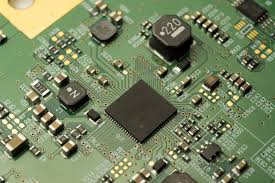
What is the significance of copper weight in Pcb productions?
Thermal management is another important consideration in pcb production, and copper weight plays a pivotal role in this regard. When electrical current flows through the PCB’s copper traces, it generates heat due to resistance. The thicker the copper layer, the better the PCB can dissipate heat, as it has more material to absorb and distribute the heat. This makes PCBs with higher copper weight more suitable for applications that involve significant power dissipation or where heat is generated by high-speed components.
For instance, in power electronics or LED lighting systems, which generate significant heat, having a higher copper weight improves the heat dissipation and prevents overheating, thus extending the lifespan of the board and its components. On the other hand, for devices that do not generate much heat, such as consumer gadgets or small signal processing devices, thinner copper layers are often sufficient and more cost-effective.
Copper weight also affects the mechanical strength and durability of the PCB. A thicker copper layer enhances the board’s rigidity and resistance to mechanical stress, such as bending or vibrations. This is especially important in applications where the PCB will be exposed to harsh environments, such as automotive electronics or industrial machinery, where physical stresses can be significant.
For example, in applications like automotive or military devices, where durability and reliability are paramount, selecting a PCB with an appropriate copper weight ensures that the board can withstand physical shocks and environmental conditions without compromising its integrity. Thicker copper layers also contribute to the board’s overall ability to handle more complex or demanding designs, such as multi-layer PCBs with high-density interconnections (HDI).
While copper weight is essential for performance, it also influences the manufacturing process and cost of PCB production. Heavier copper layers require more material, which increases the cost of the PCB. Additionally, thicker copper layers can affect the PCB’s manufacturability. For instance, drilling through thicker copper can be more challenging and requires more advanced manufacturing techniques. Furthermore, thicker copper boards take longer to etch during the manufacturing process, which can also contribute to higher production costs.
Therefore, manufacturers must balance the need for higher copper weight with the cost and complexity of production. For low-power, consumer-grade devices, using thinner copper can help reduce costs, while for high-performance or power-intensive applications, the additional investment in thicker copper is justified by the need for improved performance and reliability.